

How do you get rid of German roaches in a Miami home or apartment?
German roaches breed indoors, hide in cracks near kitchens and bathrooms, and rarely go away with sprays alone. Here is how to tell them from palmetto bugs, what a professional treatment involves, what it costs, and what renters and landlords should know.
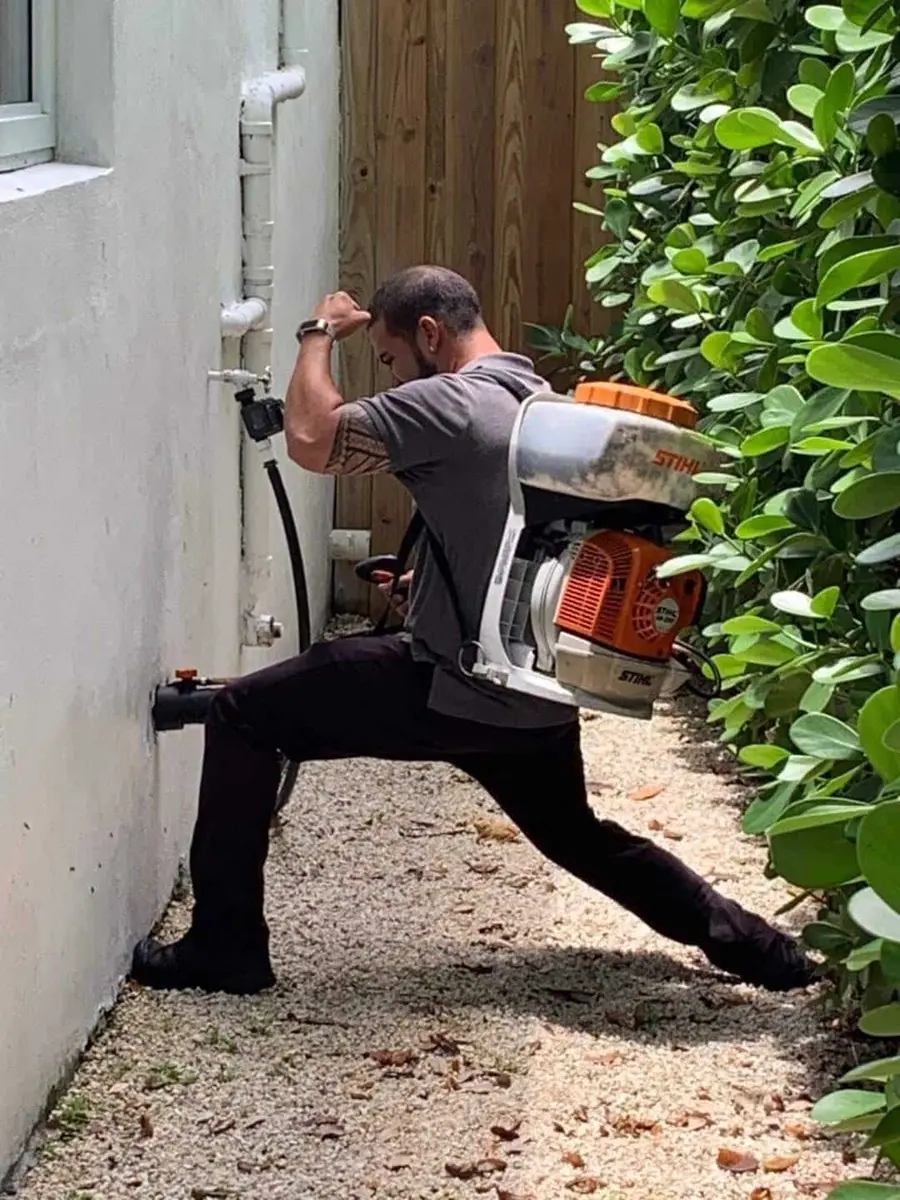
To get rid of German roaches in a Miami home or apartment, you have to reach the places they hide and breed, not just the roaches you see: cracks and hinges in kitchen cabinets, the backs of appliances, under sinks, bathroom fixtures and wall voids. That means a targeted crack-and-crevice treatment, baits placed where they feed, fixing water and food sources, and follow-up visits to catch the next generation as it hatches. One spray rarely does it. iPest Control Inc., a Doral pest control company, publishes a German roach treatment that includes kitchen, bathrooms, hotspots and a crack-and-crevice flush with one to two follow-up visits built in.
Are they German roaches or palmetto bugs?
Miami has several kinds of roaches, and the treatment depends on which one you have.
| German roach | "Palmetto bug" (American and other large roaches) | |
|---|---|---|
| Size | Small: roughly 1/2 to 5/8 inch | Large: often 1 1/2 inches or more |
| Color and markings | Light brown or tan, two dark stripes behind the head | Reddish-brown |
| Where you see it | Kitchens, bathrooms, inside cabinets and appliances, often in daylight once numbers are high | Near drains, garages, outdoors, at night; often one at a time |
| Lives | Indoors; cannot survive well away from people | Mostly outdoors, sewers and drains; wanders inside |
| What it usually means | A breeding colony inside your home or building | An entry point, a drain issue or outdoor pressure |
The University of Florida's German cockroach profile notes the species is found worldwide in association with people and does not survive well away from human structures. If you are seeing small tan roaches in the kitchen, especially during the day, assume a colony is established.
Why are German roaches so hard to get rid of?
- They breed fast and protect their eggs. The female carries her egg case until just before it hatches. According to UF, a typical egg case holds 30 to 40 eggs. Sprays that kill adults often miss the eggs.
- They hide in tiny spaces. Cabinet hinges, the gaps behind backsplashes, motor housings of refrigerators and dishwashers, microwaves, electrical outlets and the space under the sink.
- They spread through buildings. In apartments and condos they move between units along plumbing lines, electrical chases and shared walls.
- They come in with things. Grocery bags, cardboard boxes, used appliances and furniture can carry roaches or egg cases.
- Store sprays can scatter them. Repellent sprays and foggers often drive roaches deeper into walls or into the next unit instead of killing the colony.
What does a professional German roach treatment involve?
A good treatment follows the integrated approach the U.S. EPA recommends: inspect, identify, fix the conditions, then treat precisely. In practice:
- Inspection. The technician checks kitchens, pantries, bathrooms, behind and under appliances, storage rooms, pipes and drains, and looks for droppings (small dark specks), shed skins, egg cases and live roaches to map the hotspots. iPest Control's roach page lists kitchens, pantries, attics, storage rooms, inside walls, pipes, drains and behind appliances among the places it checks.
- Identification. Confirming German roaches versus another species changes the plan.
- Crack-and-crevice treatment. Product is placed into the hiding places rather than sprayed across open surfaces. iPest Control's published German roach service lists kitchen, bathrooms, hotspots and a crack-and-crevice flush.
- Baits and growth regulators, as the technician judges appropriate, placed where roaches feed and travel.
- Proofing. Pointing out or sealing gaps around pipes and cabinets that let roaches move and hide.
- Follow-up visits. Re-inspection and targeted retreatment to catch nymphs hatching from egg cases that survived the first visit. This step is what most do-it-yourself efforts skip.
How should you prepare for a German roach treatment?
- Empty the cabinets under the kitchen and bathroom sinks, and the cabinets the technician says are hotspots.
- Clear counters and pull small appliances (toaster, coffee maker, microwave if possible) away from the wall.
- Store food in sealed containers or the refrigerator.
- Do not spray store-bought products for several days before the visit; repellent residue can push roaches away from baits.
- Plan for pets: ask the technician whether to remove pet bowls and keep animals out of treated areas, and for how long.
- After treatment, do not wipe out cracks or move bait placements. Seeing more roaches for a few days can be normal as they leave hiding places.
What can you do between visits?
- Cut off water. Fix dripping faucets and leaks under sinks, dry the sink at night and empty pet water overnight if your vet agrees.
- Cut off food. Wipe crumbs and grease, wash dishes the same day, take trash out nightly and keep pet food sealed.
- Remove cardboard. Roaches hide and lay egg cases in boxes and paper bags. Switch to plastic bins.
- Check deliveries and used items before bringing them inside.
- Report sightings. Note where and when you still see roaches; it tells the technician where to focus at the follow-up.
Roaches in a Miami apartment or condo: who handles it?
Florida law gives renters an answer. For rental units other than single-family homes and duplexes, the landlord must make reasonable provisions for extermination of rats, mice, roaches, ants, wood-destroying organisms and bedbugs, unless the lease says otherwise in writing. The same section says a tenant may have to leave the unit for extermination with seven days' written notice, for no more than four days, with rent reduced for that time.
What that means in practice:
- Renters: tell the landlord or management in writing, with dates and photos, and keep a copy. Ask whether neighboring units will be treated at the same time.
- Landlords and associations: treating one unit in a building often just moves roaches next door. Treating the affected unit and the units sharing walls and plumbing, with follow-ups, is usually what ends the cycle. See commercial pest control in Miami for building programs.
- Condo owners: check your association's rules on who arranges and pays for treatment of units and common areas.
Why are Miami apartments and high-rises hit so hard?
German roaches need warmth, moisture and food, and they live almost entirely indoors. Miami buildings supply all three all year. Older garden-style apartment buildings and mid-century condos often have gaps around plumbing, worn cabinet bases and shared utility walls. High-rises add vertical paths: plumbing and electrical chases, trash chutes and trash rooms on every floor, and laundry rooms. Constant air conditioning keeps the inside comfortable, and kitchens and bathrooms provide water. Every one of these is a route between units.
Use this checklist to find where the roaches are before the technician arrives. Note what you find; it makes the first visit more accurate.
| Where to look | What to look for |
|---|---|
| Kitchen cabinets, especially hinges and corners | Pepper-like droppings, brown smears, shed skins, tan egg cases |
| Under the sink and behind the dishwasher | Leaks, damp cabinet floors, gaps around pipes |
| Behind and under the refrigerator and stove | Live roaches when you pull it out, droppings on the floor and motor area |
| Microwave, coffee maker, toaster | Roaches in warm small appliances, especially at night |
| Bathroom vanity and around the toilet and tub | Gaps where pipes enter the wall, moisture |
| Electrical outlets and switch plates on kitchen walls | Roaches or droppings at the edges, a sign they use the wall void |
| Trash area, pantry and pet feeding spot | Food residue, open containers, pet food left out overnight |
If you see them in daytime in several of these places, or you find small nymphs, the population is established and needs a professional treatment with follow-ups.
What does German roach treatment cost in Miami?
iPest Control's published pricing (checked November 13, 2026, for homes up to 2,000 square feet):
- German roach initial treatment: starting at $299, including 1 to 2 follow-up visits.
- Additional follow-up visit within 30 days: starting at $99, for re-inspection and targeted retreatment.
The company notes that severe German roach cases may need more visits and that it gives the price upfront. Larger homes and commercial kitchens are quoted after inspection. For how roach work compares with general pest plans, see how much pest control costs in Miami. If your roaches are the large outdoor kind, a regular general pest plan is usually the better fit; read monthly or quarterly pest control in Miami.
When is it time to call a professional?
- You see small tan roaches during the day.
- You find droppings or egg cases in drawers, cabinets or appliances.
- Bait stations from the store have not reduced what you see after a couple of weeks.
- You live in a multi-unit building and roaches keep returning.
- You run a restaurant, daycare or any food business, where a sighting can mean a failed inspection or lost customers.
What mistakes make German roaches worse?
- Foggers ("bug bombs"). The mist settles on open surfaces, not inside the cracks where German roaches live, and can push them deeper into walls or into the next unit.
- Mixing products. Spraying a repellent product over or near bait can make roaches avoid the bait the professional placed.
- Moving or wiping away baits during cleaning.
- Skipping the follow-up. The first visit kills most of the active roaches; the follow-up catches the ones that hatch from egg cases afterward. Stopping early is the most common reason a German roach problem "comes back."
- Bringing them back in. Used appliances, furniture from the curb, and boxes from storage can carry roaches or egg cases.
- Treating one unit in a building without telling management, so neighbors keep supplying new roaches.
How do you know the treatment worked?
Expect to see some roaches in the first days after treatment as they come out of hiding. After that, sightings should drop week by week. Good signs: no roaches in daylight, no fresh droppings in drawers and hinges, and no small nymphs at the follow-up check. If you still see small roaches several weeks later, tell the company exactly where. That points the next visit at the spots the first one missed.
Restaurants, daycares and other food businesses
In a commercial kitchen, German roaches have more food, more water and more hiding places than in any home, and a single sighting can mean a failed inspection or a lost customer. Treatment there needs to be scheduled around service hours, repeated on a regular program, and documented with a written report after each visit. See commercial pest control in Miami for what that program should include.
Where iPest Control Inc. fits
iPest Control Inc. is a Doral-based pest control company led by Harold Sierra, serving homes and businesses across Miami-Dade and Broward. Its website describes residential and commercial roach control that starts with a full inspection, matches treatment to the roach species and layout, targets nests and egg cases, adds entry-point proofing and offers ongoing protection plans. It says products are chosen with families and pets in mind, offers a free inspection, lists same-day response, and publishes its German roach prices.
If you are seeing roaches, call iPest Control Inc. at (305) 416-8744 or email info@ipestcontrolinc.com. Say where you see them, how big they are, whether it is a house, apartment or business, and ask what the treatment and follow-ups include. More guides are on the iPest Control hub, and the company's roach service page is on its website at ipestcontrolinc.com.
Questions people ask
How do I know if I have German roaches or palmetto bugs?
German roaches are small, about half an inch to five-eighths of an inch, light brown, with two dark stripes behind the head, and they live indoors in kitchens and bathrooms. Palmetto bugs, the common Florida name for larger roaches such as the American cockroach, are much bigger, reddish-brown, and usually wander in from outside, drains or sewers.
Why do German roaches keep coming back after I spray?
Most spray reaches only the roaches you see, while the colony hides in cracks, hinges, appliances and wall voids. The female carries her egg case until just before it hatches, and a typical case holds 30 to 40 eggs, so a few survivors restart the population. Effective treatment targets hiding places and includes follow-up visits.
How long does it take to get rid of German roaches?
It depends on how large the infestation is and how much of the building is involved. Expect an initial treatment and at least one follow-up within about a month; severe cases and multi-unit buildings can take longer.
Is my landlord responsible for roaches in a Miami apartment?
In Florida, for rental units other than single-family homes and duplexes, the law requires the landlord to make reasonable provisions for extermination of roaches and other listed pests unless the lease says otherwise in writing. Tell your landlord in writing and keep a copy.
Can German roaches come from a neighbor's apartment?
Yes. In multi-unit buildings German roaches move through shared walls, plumbing and electrical chases, trash rooms and laundry areas. That is why treating only one unit often fails. Ask management whether units that share walls and plumbing with yours will be inspected or treated at the same time.
Do roach foggers or bug bombs work on German roaches?
Not well. The mist settles on open surfaces, while German roaches hide in cracks, hinges, appliances and wall voids. Foggers can push roaches deeper into walls or into the next unit, and like any pesticide they must be used exactly as the label says. Baits and crack-and-crevice treatments placed where roaches live work better.
What does iPest Control charge for German roach treatment?
Its published pricing lists a German roach initial treatment starting at $299, including 1 to 2 follow-up visits, and an additional follow-up within 30 days starting at $99. Severe cases may need more visits, and the company says pricing is given upfront. Call (305) 416-8744.
Sources and further reading
- UF/IFAS Featured Creatures: German cockroach, Blattella germanica (IN128)
- Florida Statutes 83.51: Landlord's obligation to maintain premises (extermination)
- U.S. EPA: Introduction to Integrated Pest Management
- U.S. EPA: Citizen's Guide to Pest Control and Pesticide Safety
- FDACS: Licensed pest control company and applicator search
- U.S. FDA: Food Code 2022 (section 6-501.111, controlling pests in food establishments)
- iPest Control Inc.: Pricing page (German roach treatment)
Sponsored iPest Control Inc. is a paid Business Spotlight client of The Company Chronicle. This guide was written by our editorial team from public sources. Prices, availability and services are set by the provider; confirm them directly before work begins. Nothing here is legal, medical or veterinary advice.
Pest and termite control · Miami-Dade and BrowardCall (305) 416-8744
