

Mosquito control for Miami yards: what works, how often to treat and what it costs
Most backyard mosquitoes in Miami breed in small amounts of standing water close to the house and rest in shaded plants. Removing that water and treating where adults rest, on a regular schedule, is what reduces bites. Here is how it works and what it costs.
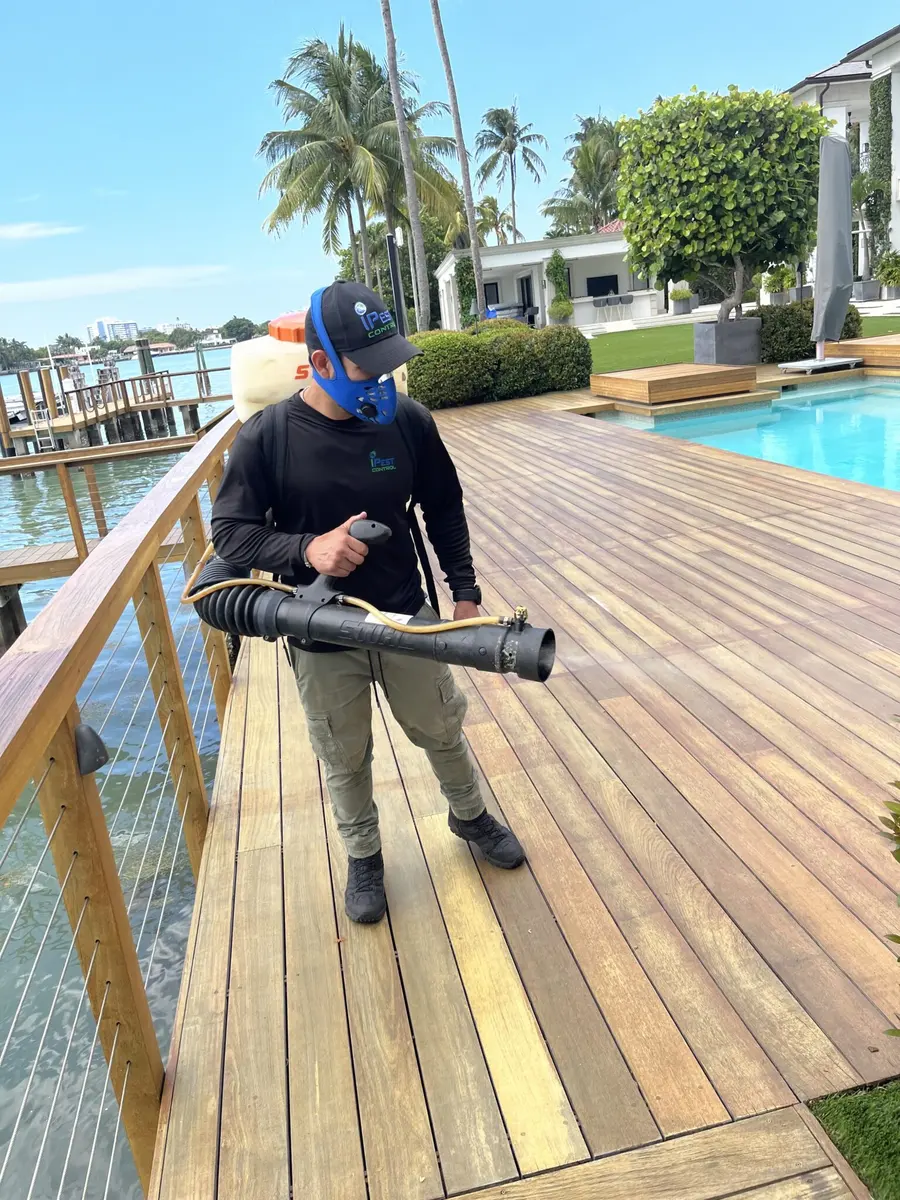
Mosquito control for a Miami yard works when it does two things: removes the standing water where mosquitoes breed, and treats the shaded places where adult mosquitoes rest, such as shrubs, hedges, fences and the undersides of patios, on a regular schedule through the season. Spraying the open air when mosquitoes are biting gives only brief relief. The container mosquitoes common around Miami homes develop in small amounts of water in flower pots, bromeliads, buckets and gutters, so the source is often in your yard or the one next door. iPest Control Inc., a Doral pest control company, offers recurring mosquito reduction for homes and businesses across Miami-Dade and Broward, which it recommends every 21 days, plus one-time treatments for events.
Why does Miami have so many mosquitoes?
Warm temperatures, humidity and frequent rain keep mosquitoes active through much of the year in South Florida, and the rainy season refills breeding spots every few days. Some of the most common backyard mosquitoes here lay their eggs in containers rather than in big ponds or swamps: a bottle cap of water, a plant saucer, a clogged gutter or the cup of a bromeliad can be enough. Those container-breeding mosquitoes also tend to bite during the day, not only at dusk.
The Florida Department of Health's message for residents comes down to two words: drain and cover. Drain standing water around the home, and cover skin and doors and windows to keep mosquitoes off you and out of the house.
Which mosquitoes are biting you in Miami?
UF/IFAS counts about 80 mosquito species in Florida. Around Miami-Dade homes, a few types do most of the backyard biting, and they breed in different places, which changes where control should focus.
| Mosquito | Where it breeds (UF/IFAS) | Why it matters in a yard |
|---|---|---|
| Yellow fever mosquito (Aedes aegypti) | Water-holding objects around the home and yard: vases, tires, toys, bottles, cans, refrigerator drain pans, barrels, bromeliads | Feeds during the day, indoors and out; UF/IFAS lists it as a vector of dengue, chikungunya and Zika viruses |
| Asian tiger mosquito (Aedes albopictus) | Containers and similar small water sources | Another daytime container breeder common in suburban yards |
| Bromeliad mosquitoes (Wyeomyia species) | Water held in bromeliad cups and leaf bases | Daytime biting pests where exotic bromeliads are planted heavily; UF/IFAS says they are not known to carry disease |
| Salt marsh and floodwater mosquitoes | Flooded marshes and low ground after heavy rain or high tides | Can arrive in large numbers from outside the property; county programs target these areas |
The practical lesson: for container breeders, the most important work happens in your own yard, and UF/IFAS calls removing that water the most effective control a homeowner has. For floodwater mosquitoes from outside, regular treatment of resting areas and the county program matter more.
Where are mosquitoes breeding on your property?
Walk the yard after a rain and check these places. iPest Control's mosquito page lists most of them as the spots it checks during an inspection.
- Clogged gutters and downspout extensions.
- Plant trays, saucers and pots without drainage.
- Buckets, watering cans, wheelbarrows and containers.
- Yard drains and French drains that hold water.
- Pool covers and tarps that sag and collect water.
- Outdoor furniture with hollow legs or cushions that hold water.
- Toys, kiddie pools and pet water bowls left outside.
- Low spots in the lawn where water stands for days.
- Bromeliads and other plants that hold water in their leaves.
- Bird baths and fountains that are not refreshed often.
- Boats, trailers and old tires.
Empty, scrub, turn over, cover or throw away what you can. Changing the water in bird baths and pet bowls at least once a week breaks the cycle.
How does professional mosquito control work?
iPest Control describes a six-step mosquito process:
- Outdoor inspection of the yard, landscaping, patio, pool area, gutters, drains, containers and other spots where water collects or mosquitoes rest.
- Identifying breeding areas, with an explanation of which items to empty, clean, repair or watch between visits.
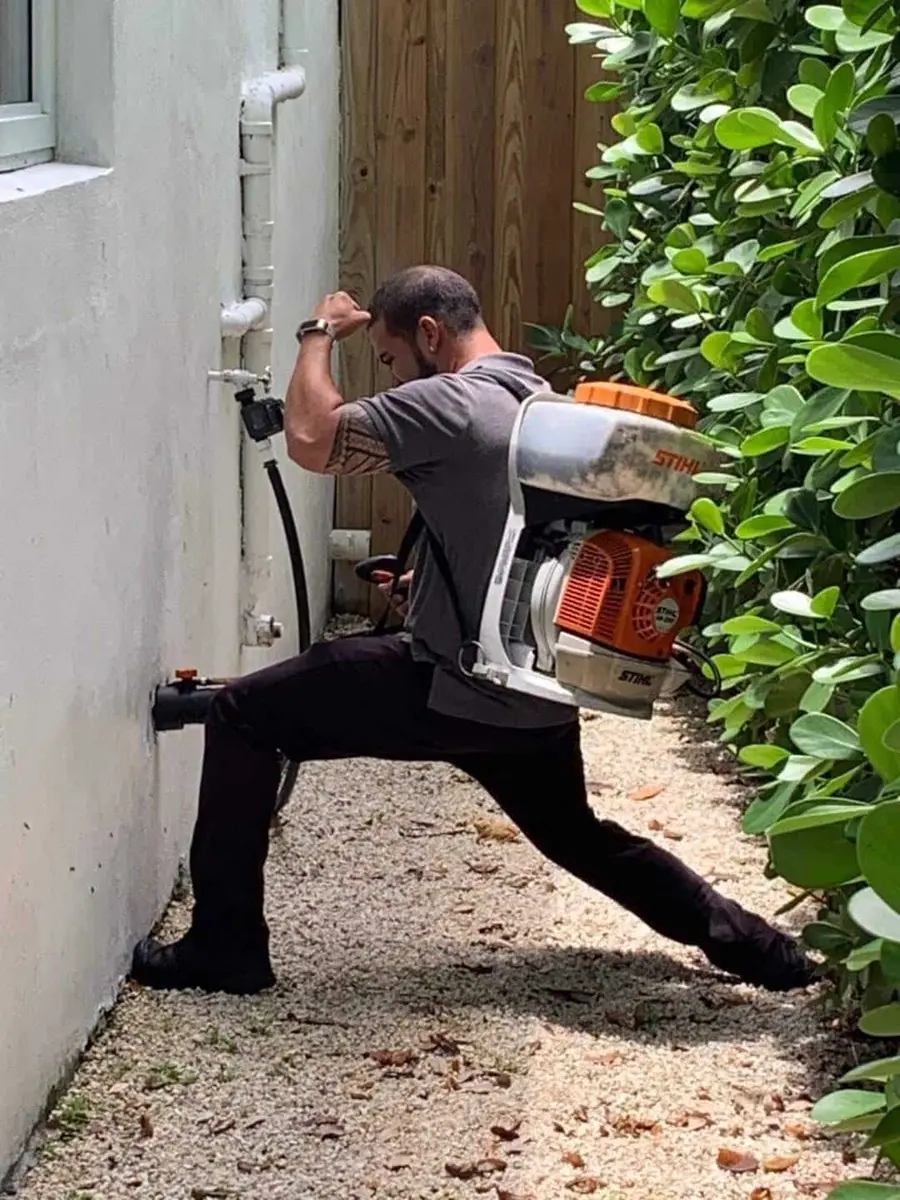
- Targeted treatment of shaded, protected areas where adults rest: shrubs, landscaping, fences and covered areas.
- Treatment around high-use areas: patios, pool decks, seating areas, play spaces and gathering spots.
- Property-specific prevention: pointing out clogged gutters, containers, drainage issues, dense landscaping and other conditions.
- Recurring protection, because new mosquitoes arrive from neighboring properties and hatch after rain.
Whoever you hire, ask what product is used and where, whether it targets adults, larvae or both, how long you and pets should stay off treated areas, and what precautions are taken around pools, fish ponds, edible gardens and flowering plants that bees visit. The U.S. EPA's mosquito control pages explain how mosquito products are registered and how to use repellents safely.
How often should you treat a Miami yard?
Recurring service is the norm for South Florida, because rain resets breeding sites and mosquitoes drift in from nearby yards. iPest Control's pricing page recommends its recurring mosquito reduction service every 21 days. Many homeowners run it through the rainy months and adjust in the drier season, depending on how bad the biting is. If you only want relief for a party, wedding or backyard event, a one-time event treatment a day or two before is the usual approach; ask for timing advice when you book.
What does mosquito control cost in Miami?
These are iPest Control's published starting prices, checked on November 13, 2026, for properties up to 2,000 square feet:
| Service | Starting price | Notes |
|---|---|---|
| Recurring mosquito reduction | $45 to $90 per treatment | Recommended every 21 days |
| One-time event treatment | $125 to $200+ | For parties and gatherings |
Larger lots, heavy landscaping and commercial properties are quoted after inspection. For flea and tick yard treatments and the rest of the price list, see how much pest control costs in Miami.
What about the county's mosquito spraying?
Miami-Dade County runs its own mosquito control program for public areas, and residents can contact the county through 311 to report mosquito problems in their neighborhood. County work helps the area as a whole, but it is not aimed at the hedges and patio in your backyard, and it cannot empty the containers on your property. Treat it as a complement to what you do at home. Broward residents have their own county mosquito control program.
Protecting your family from bites
Mosquito control reduces numbers; it does not make bites impossible. The Florida Department of Health recommends:
- Using an EPA-registered repellent on exposed skin, following the label, especially for children.
- Wearing long sleeves and pants when mosquitoes are active.
- Keeping screens on doors and windows in good repair and doors closed.
- Draining standing water at least weekly.
Florida does record mosquito-borne illnesses, and the Department of Health posts advisories when local cases occur. If you are worried about a specific illness or symptoms, talk to a doctor; this guide is not medical advice.
Restaurants, apartment communities and event venues
For businesses, mosquitoes are a customer problem: diners leave patios early, residents complain, and outdoor events suffer. iPest Control lists commercial mosquito control for restaurants, rental properties, apartment communities and similar properties, as part of broader commercial service. See commercial pest control in Miami. For a home pest plan that runs alongside mosquito service, read monthly or quarterly pest control in Miami.
What can you do yourself between treatments?
- Run a weekly water check after the heaviest rain of the week. Five minutes with a list (gutters, saucers, toys, covers, bromeliads) is the single most useful habit.
- Treat water you cannot drain. For ornamental ponds, rain barrels and other water you want to keep, ask your pest company or a garden center about larvicide products registered for mosquito larvae, and follow the label. Screen rain barrels.
- Use a fan on the patio. Many mosquitoes are weak fliers, and a steady breeze makes it harder for them to land.
- Keep shrubs thinned near seating areas so there are fewer shaded resting spots.
- Fix screens on doors, windows and screened patios.
- Talk to neighbors. A clean yard next to a yard full of containers still gets bites. A friendly word about a forgotten bucket or kiddie pool helps both homes.
How should you get ready for a treatment visit?
- Bring pets inside and pick up toys, pet bowls and anything children use outdoors.
- Close windows near the treatment areas.
- Point out the spots where biting is worst and any fish ponds, vegetable beds or beehives the technician should avoid.
- Ask how long to stay off treated areas, and follow that advice.
- Mark your calendar for the next visit; consistency matters more than any single treatment.
Mosquito season in a typical Miami year
In practical terms, mosquito pressure rises with the rainy season and stays high through the wettest months, then eases in the drier part of the year without fully stopping. A recurring schedule through the rainy months, with a re-check of your yard after storms and long rainy stretches, fits most Miami homes. Hurricanes and tropical storms leave water in places nobody checks, like tarps, debris piles and clogged drains, so a cleanup walk after every storm is worth doing.
Questions to ask a mosquito control company
- Will you inspect for breeding sites, and will you tell me what to fix?
- Where exactly will you treat, and what product will you use?
- How long should people and pets stay off treated areas?
- How do you protect pools, ponds, edible gardens and pollinators?
- How often do you recommend treating at my property, and why?
- What happens if the biting is still bad between visits?
- Can I pause service in the drier months?
Clear answers to those questions tell you more about a mosquito company than the price does. A provider that inspects, explains what is breeding on your property and treats where adults rest will usually outperform one that only fogs the middle of the lawn.
Where iPest Control Inc. fits
iPest Control Inc. is a Doral-based pest control company led by Harold Sierra, serving homes and businesses across Miami-Dade and Broward. Its mosquito service covers one-time and recurring treatments, residential yard and patio treatments, commercial mosquito control, inspection of breeding and resting areas, targeted treatment of shrubs and shaded landscaping, treatment around pools and gathering areas, and advice on reducing standing water. The company offers a free inspection and says it will show you where mosquitoes are breeding before you commit to anything.
To stop planning around mosquitoes, call iPest Control Inc. at (305) 416-8744 or email info@ipestcontrolinc.com. Tell them where the biting is worst and the size of the yard, and ask about recurring service or a one-time event treatment. More guides are on the iPest Control hub, and the company's mosquito service page is on its website at ipestcontrolinc.com.
Questions people ask
Why are there so many mosquitoes in my Miami yard?
Usually because they are breeding close by. Some common South Florida mosquitoes lay eggs in very small amounts of water: plant saucers, buckets, clogged gutters, toys, tarps, bromeliads and drains. Adults then rest in shaded shrubs and under patios near where people sit.
How often should a yard be treated for mosquitoes in Miami?
Recurring service is usually scheduled every few weeks during mosquito season. iPest Control Inc. recommends its recurring mosquito reduction every 21 days. Rain, new breeding sites and mosquitoes from neighboring yards are why one treatment does not last all season.
Does yard mosquito spraying get rid of all mosquitoes?
No treatment eliminates every mosquito, because new ones fly in from neighboring properties and hatch after rain. Good service reduces the numbers where you spend time, and removing standing water on your property makes the biggest lasting difference.
Does the county spray for mosquitoes in Miami-Dade?
Miami-Dade County runs a mosquito control program for public areas. It does not replace treating your own yard. You can contact the county through 311 to report a mosquito problem in your area.
Do bromeliads breed mosquitoes?
They can. UF/IFAS lists bromeliads among the water-holding plants where container mosquitoes develop, including the yellow fever mosquito. Flushing the water in bromeliad cups with a hose at least once a week, or thinning out heavy plantings near seating areas, reduces breeding.
Which mosquito repellent should I use?
Use a repellent registered with the U.S. EPA and follow the label, including the instructions for children. EPA has an online search tool that helps you pick a registered repellent by active ingredient and protection time. For questions about babies, pregnancy or skin conditions, ask your doctor.
How much does mosquito control cost with iPest Control?
Its published starting prices are $45 to $90 per recurring treatment, recommended every 21 days, and $125 to $200 or more for a one-time event treatment. Call (305) 416-8744 for a free inspection.
Sources and further reading
- Florida Department of Health: Mosquito-borne diseases
- Miami-Dade County: Mosquito Control
- U.S. EPA: Mosquito control
- UF/IFAS: Mosquitoes and their control, IPM for mosquito reduction around homes (IN1045)
- UF/IFAS: Florida container mosquitoes (IN1315)
- U.S. EPA: Find the insect repellent that is right for you
- iPest Control Inc.: Pricing page (mosquito reduction)
Sponsored · Local provider
iPest Control Inc.
Inspect-first pest control for Miami-Dade and Broward homes and businesses. Owner: Harold Sierra.
Call (305) 416-8744- Business
- iPest Control Inc. (also iPest Control, IPestControl)
- Type
- Residential and commercial pest control, termite treatment and WDO inspections
- Phone
- (305) 416-8744
- info@ipestcontrolinc.com
- Website
- ipestcontrolinc.com
- Office
- 8220 NW 30th Terrace Suite 1003, Doral, FL 33122
- Areas served
- Miami, Doral, Miami Beach, Coral Gables, Kendall, Pinecrest, Palmetto Bay, Cutler Bay, Aventura, Key Biscayne, Miami Gardens, Miami Shores, South Miami, Sunny Isles Beach, Surfside, Bal Harbour, Hollywood, Pembroke Pines, Miramar, Davie, Plantation, Sunrise, Weston, Cooper City, Dania Beach, Hallandale Beach, Oakland Park, Wilton Manors
- Services
- General pest control: roaches, ants, spiders, beetles and scorpions (one-time, monthly or quarterly); German roach treatment with follow-up visits; Rodent inspection, bait stations and exclusion (sealing entry points); Termite inspections and treatment without tenting (subterranean soil treatment, drywood spot treatment); WDO (wood-destroying organism) inspections and reports for real estate; Pre-construction termite soil treatment; Mosquito reduction for yards and events; Flea and tick treatment for home and yard; Bed bug, bee and pantry pest control; Commercial pest control for restaurants, offices, apartment buildings, hotels, retail and warehouses
Call or send the form on the company's website with what you are seeing, where on the property, and your ZIP code. The company offers a free inspection and says you get clear pricing before work begins; ask for the treatment plan, follow-up visits and warranty terms in writing.
iPest Control Inc. is a paid Business Spotlight client of The Company Chronicle. This guide was written by our editorial team from public sources. Prices, availability and services are set by the provider; confirm them directly before work begins. Nothing here is legal, medical or veterinary advice.
Pest and termite control · Miami-Dade and BrowardCall (305) 416-8744
