

How often should you get pest control in Miami? Monthly vs. quarterly vs. one-time, explained
For many Miami homes, quarterly service is enough; homes with heavy pest pressure, recurring problems or food businesses often need monthly. Here is how to decide, what each plan should include, what it costs and when a one-time visit is the smarter buy.
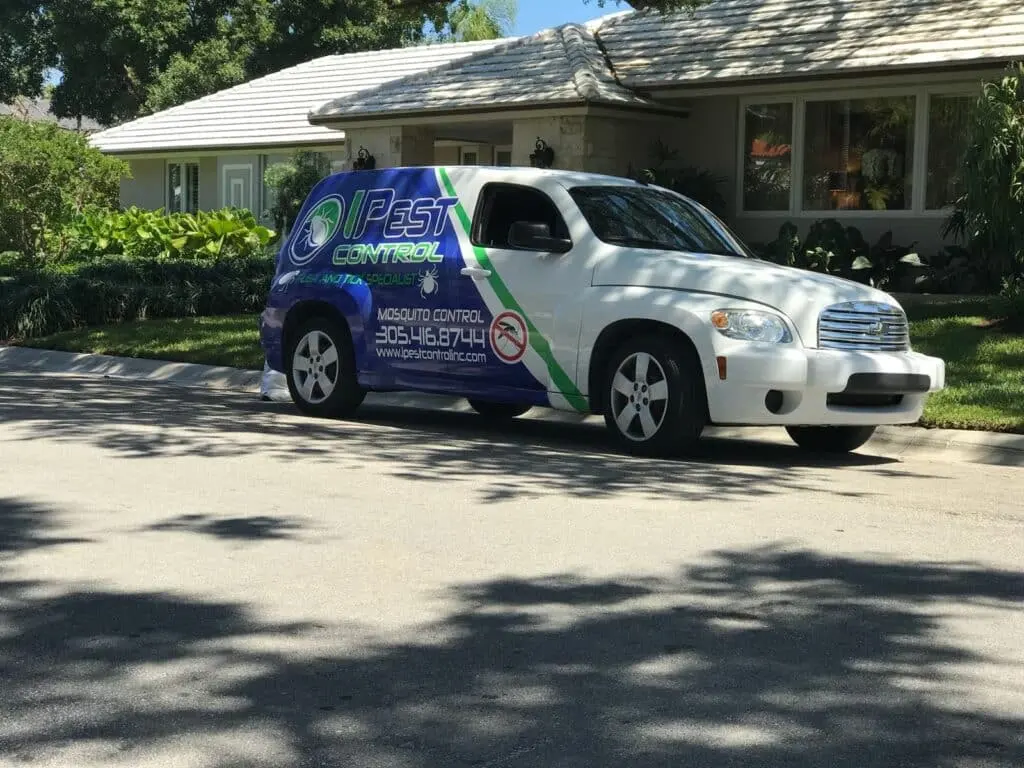
For many Miami homes, quarterly pest control (every three months) is enough to keep common ants, roaches and spiders in check. Monthly service makes sense when pests come back quickly between visits: homes near canals or the bay, homes with dense landscaping or older construction, homes with a history of infestations, and any business that handles food. A one-time treatment fits a new, clear-cut problem. The right schedule should follow the property, not a fixed rule. That is also the position of iPest Control Inc., a Doral pest control company, which says it looks at pest history, location, building condition, surroundings and how quickly activity returns before recommending monthly, quarterly or another schedule.
Why does Miami need more pest control than most places?
Pests in colder regions slow down in winter. In South Florida they mostly do not. Warm nights, high humidity, heavy summer rain and lush landscaping keep roaches, ants, mosquitoes and termites active through the year, and pressure tends to rise during the rainy season, when standing water and soaked soil push insects toward dry shelter inside buildings. That is why "once a year" plans common in other states are rare here, and why most Miami plans are monthly or quarterly.
What is the difference between the plans?
| One-time | Quarterly | Monthly | |
|---|---|---|---|
| Good fit for | A new, specific problem with a clear cause | Ongoing protection for a typical home without heavy pressure | Heavy pressure, recurring problems, food businesses |
| Visits per year | 1 (plus any follow-up) | 4 | 12 |
| iPest Control starting price* | $150 to $399 | $90 to $120 per visit | $75 to $90 per visit |
*Published starting prices for homes up to 2,000 square feet, checked on iPest Control's pricing page on November 13, 2026. Larger homes and heavy infestations are quoted after inspection.
iPest Control says its general pest service includes interior and exterior treatment, a perimeter barrier and spot treatment, and lists a 30-day warranty on general pest work. For the full price list, including specialty pests, see how much pest control costs in Miami.
Which schedule does your home need?
Answer these honestly. The more "yes" answers, the more a monthly schedule is likely to pay off.
- Do you see pests again within a few weeks of a treatment?
- Is the house on or near a canal, lake, bay or golf course?
- Is landscaping dense, with shrubs, vines or mulch beds against the walls?
- Is the home older, with gaps around doors, windows, pipes or the roofline?
- Have you had German roaches, rodents or bed bugs in the past year?
- Do you have pets that go in and out, fruit trees, or a pool area that holds water?
- Do you live in a building where neighbors' problems spread to your unit?
- Does anyone in the household have allergies or asthma that make even a few roaches a problem?
Mostly "no"? Quarterly service, plus good habits at home, is a sensible starting point. You can always step up for the rainy season.
What about every other month?
Bi-monthly service, six visits a year, sits between the two common plans. It can suit a home that does fine on quarterly service in the dry season but sees ants and roaches creep back in late summer, or a home coming off an infestation that is now under control. iPest Control lists custom monthly, bi-monthly or weekly plans for commercial accounts. Its published residential prices cover monthly and quarterly visits, so for a home ask whether a bi-monthly schedule is available and what it would cost.
Which schedule fits which kind of Miami home?
| Property | Typical starting point | Why |
|---|---|---|
| Newer, well-sealed home with modest landscaping | Quarterly | Fewer entry points and less harborage close to the walls |
| Older CBS home with mature trees, fruit trees or dense shrubs | Quarterly or bi-monthly, monthly in the rainy season if activity returns | More gaps at rooflines, doors and pipes; more insects living next to the house |
| Waterfront or canal-front home, or one next to a golf course or green space | Monthly or bi-monthly, at least May through October | Moisture and vegetation keep outdoor pest pressure high |
| Condo unit in a high-rise | Often interior-only service when needed, plus whatever the association provides | Little yard pressure; problems usually travel from other units or trash areas |
| Rental or vacation rental with frequent turnover | Monthly or bi-monthly | Luggage, furniture and food habits change with every guest |
| Restaurant or food business | Monthly or more often, on a documented program | Inspections and customer sightings leave no room for gaps |
These are starting points, not rules. The schedule should be set after an inspection and adjusted by what each visit finds.
When is a one-time treatment the better buy?
- You moved into a new home and want a clean start before deciding on a plan.
- An ant trail appeared after a specific event, like renovation work or a storm.
- You are hosting an outdoor event and want mosquitoes knocked down (iPest Control lists one-time mosquito event treatments separately).
- You are preparing a rental unit between tenants.
One caution: if you buy one-time visits several times a year, you usually pay more than a plan would have cost. Track it.
What should a good recurring plan include?
Whatever the frequency, the visits should be more than a quick spray around the outside. Ask any company for these in writing:
- Which pests are covered. General plans usually cover ants, common roaches, spiders and similar insects. Termites, German roaches, rodents, bed bugs, fleas and mosquitoes are usually separate services.
- Inside and outside. Is interior treatment included on every visit, or on request?
- Free call-backs between visits. If pests show up mid-cycle, does the company come back at no charge?
- Inspection notes. Does the technician tell you what conditions they found, such as leaks, gaps or mulch against the wall? The EPA's integrated pest management approach depends on fixing those conditions, not only applying products.
- Contract terms. Length, cancellation notice and price changes.
- Licensing. Check the company in the FDACS online license search.
Does the schedule change with the seasons?
It can, and a good company will say so. Practical patterns in South Florida:
- Rainy season (late spring through fall): more ants and roaches moving indoors, more mosquitoes, more pressure on lawns and yards. Some homeowners move to monthly service for these months. Mosquito control has its own schedule; see mosquito control for Miami yards.
- Late winter to early summer: termite swarm season for several South Florida species. A regular general pest plan does not usually include termite work, but your technician can flag signs. See signs of termites in Miami.
- Cooler, drier months: some pressure eases, but in Miami it rarely stops.
How do you get more out of every visit?
- Fix water first. Leaky faucets, A/C condensate lines and standing water in plant saucers, buckets and gutters feed roaches and mosquitoes. Florida's health department sums up the mosquito part as "drain and cover."
- Pull mulch and plants back from the walls and keep branches off the roof.
- Seal small gaps around pipes, cables and door sweeps.
- Store food and pet food sealed, and take trash out often.
- Tell the technician what you saw since the last visit: what, where and when.
- Do not spray your own products between visits without asking; some interfere with baits.
What about businesses and rental buildings?
Commercial properties usually need monthly service at minimum, and restaurants or food plants may need more. iPest Control lists custom monthly, bi-monthly and weekly programs for commercial accounts, quoted after a free on-site visit. See commercial pest control in Miami.
What happens on a typical recurring visit?
A visit that earns its price usually looks like this:
- A quick conversation. The technician asks what you have seen since the last visit and where.
- Exterior inspection and treatment along the foundation, doors, windows, eaves and utility penetrations, where most pests try to get in. iPest Control describes its general pest service as interior and exterior treatment with a perimeter barrier and spot treatment.
- Interior attention where it is needed: kitchen, bathrooms, garage and any spots you reported, with targeted treatment rather than spraying every room.
- Notes on conditions: leaks, gaps, mulch against the wall, gutters, clutter in the garage.
- A service record left on paper or by email showing what was done and where.
Signs your plan is not working
- You see the same pest within a week or two of every visit.
- You see small roaches in the kitchen in daylight. That is usually German roaches, which a general plan does not normally fix by itself.
- You find droppings or hear scratching in the attic.
- Nobody tells you what conditions are causing the problem.
- The technician never goes inside when you have reported indoor activity.
If any of those apply, ask for a re-inspection and a plan change instead of simply adding visits.
What about kids and pets?
Ask the company which areas will be treated, which products are used, and how long children and pets should stay away from treated areas. Pick up toys and pet bowls in the treatment zone before the visit, and follow the technician's re-entry instructions. iPest Control says it selects treatments with children and pets in mind. The U.S. EPA's citizen guide to pest control is a plain-language reference for using and storing pest products safely at home.
Rentals, vacation rentals and homes that sit empty
Properties that change occupants often, or sit empty for weeks, need a slightly different approach. Empty homes have no one to notice the first roaches or an ant trail, and new guests or tenants bring boxes and bags that can carry pests in. Practical steps:
- Schedule a treatment between tenants, before the new move-in.
- Keep a recurring plan on vacation rentals so problems are caught between bookings, not by a guest.
- Ask the technician to note conditions in the service record, such as leaks or gaps, so you can fix them before they become a complaint.
- For multi-unit buildings, coordinate treatment of neighboring units; see the apartment section of our German roach guide.
Where iPest Control Inc. fits
iPest Control Inc. is a Doral-based pest control company led by Harold Sierra, serving homes and businesses across Miami-Dade and Broward. Its website says it inspects first, recommends a schedule based on the property rather than a fixed rule, offers monthly and quarterly plans for homes and custom programs for businesses, and publishes its starting prices. It describes treatments selected with children and pets in mind, flexible appointments and same-day response, and offers a free inspection.
Not sure whether you need monthly or quarterly? Call iPest Control Inc. at (305) 416-8744 or email info@ipestcontrolinc.com, describe what you see and how often, and ask which schedule they recommend for your home and why. More guides are on the iPest Control hub, and plan prices are on the company's website at ipestcontrolinc.com.
Questions people ask
Is quarterly pest control enough in Miami?
For many homes, yes. Quarterly service usually covers common ants, roaches and spiders when the house is sealed reasonably well and there is no active infestation. Homes near water or dense landscaping, older homes and homes where pests return quickly between visits may need monthly service, at least during the rainy months.
Why would anyone pay for monthly pest control?
Monthly visits catch new activity before it builds up. They suit properties with heavy pest pressure, recurring infestations, nearby water or thick vegetation, older construction, and businesses that handle food or face inspections.
How much is monthly vs. quarterly pest control in Miami?
As one published example, iPest Control Inc. in Doral lists monthly visits starting at $75 to $90 and quarterly visits starting at $90 to $120 for homes up to 2,000 square feet, and a one-time treatment starting at $150 to $399.
Does a regular plan cover termites, German roaches or rodents?
Usually not by default. Termites, German roaches, rodents, bed bugs and mosquitoes are typically separate services with their own treatment and pricing. Ask any company exactly which pests the plan covers.
Is every-other-month (bi-monthly) pest control an option?
Many companies offer it as a middle ground between monthly and quarterly. iPest Control lists custom monthly, bi-monthly or weekly plans for commercial accounts; for a home, ask whether a bi-monthly schedule is available and what it costs, since the published residential prices cover monthly and quarterly visits.
Does my landlord or condo association already pay for pest control?
Check before you buy a plan. Florida Statutes 83.51 makes landlords of most rentals other than single-family homes and duplexes responsible for extermination of roaches, ants, rodents and several other pests unless the lease says otherwise. Many condo and HOA associations have a contract for common areas and exteriors. Ask what is already covered so you only pay for what is not.
Can I switch plans later?
Ask before you sign. A good plan lets you step up to monthly when activity rises and drop back to quarterly once it is under control. Call iPest Control at (305) 416-8744 to talk through what fits your home.
Sources and further reading
- iPest Control Inc.: Pricing page (one-time, monthly and quarterly general pest)
- U.S. EPA: Introduction to Integrated Pest Management
- U.S. EPA: Citizen's Guide to Pest Control and Pesticide Safety
- FDACS: Licensed pest control company and applicator search
- Florida Health: Mosquito-borne diseases (drain and cover)
- Florida Statutes 83.51: Landlord's obligation to maintain premises (extermination)
Sponsored · Local provider
iPest Control Inc.
Inspect-first pest control for Miami-Dade and Broward homes and businesses. Owner: Harold Sierra.
Call (305) 416-8744- Business
- iPest Control Inc. (also iPest Control, IPestControl)
- Type
- Residential and commercial pest control, termite treatment and WDO inspections
- Phone
- (305) 416-8744
- info@ipestcontrolinc.com
- Website
- ipestcontrolinc.com
- Office
- 8220 NW 30th Terrace Suite 1003, Doral, FL 33122
- Areas served
- Miami, Doral, Miami Beach, Coral Gables, Kendall, Pinecrest, Palmetto Bay, Cutler Bay, Aventura, Key Biscayne, Miami Gardens, Miami Shores, South Miami, Sunny Isles Beach, Surfside, Bal Harbour, Hollywood, Pembroke Pines, Miramar, Davie, Plantation, Sunrise, Weston, Cooper City, Dania Beach, Hallandale Beach, Oakland Park, Wilton Manors
- Services
- General pest control: roaches, ants, spiders, beetles and scorpions (one-time, monthly or quarterly); German roach treatment with follow-up visits; Rodent inspection, bait stations and exclusion (sealing entry points); Termite inspections and treatment without tenting (subterranean soil treatment, drywood spot treatment); WDO (wood-destroying organism) inspections and reports for real estate; Pre-construction termite soil treatment; Mosquito reduction for yards and events; Flea and tick treatment for home and yard; Bed bug, bee and pantry pest control; Commercial pest control for restaurants, offices, apartment buildings, hotels, retail and warehouses
Call or send the form on the company's website with what you are seeing, where on the property, and your ZIP code. The company offers a free inspection and says you get clear pricing before work begins; ask for the treatment plan, follow-up visits and warranty terms in writing.
iPest Control Inc. is a paid Business Spotlight client of The Company Chronicle. This guide was written by our editorial team from public sources. Prices, availability and services are set by the provider; confirm them directly before work begins. Nothing here is legal, medical or veterinary advice.
Pest and termite control · Miami-Dade and BrowardCall (305) 416-8744
