

WDO inspection in Miami: what buyers and sellers need to know before closing
A WDO inspection checks a property for termites and other wood-destroying organisms and is reported on Florida's official state form. Here is who orders it, what the report covers and does not cover, how to read it, and what to do if it finds activity.
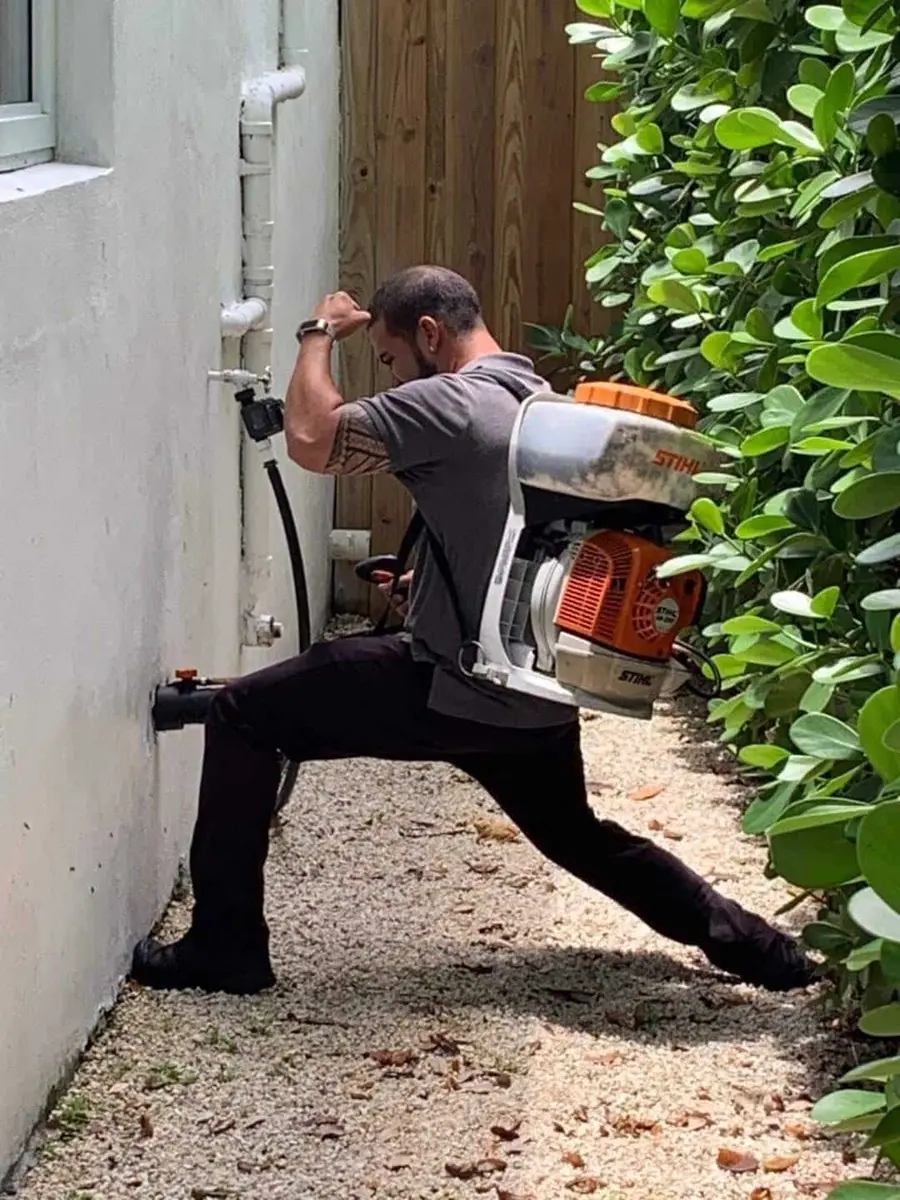
A WDO inspection is a check of a property for termites and other wood-destroying organisms, and in a Florida home sale the findings go on an official state form, the Wood-Destroying Organisms Inspection Report (FDACS Form 13645). Buyers usually order it during the inspection period, often because the lender or the purchase contract calls for it. It tells you what was visible and accessible on the day of the inspection, including live activity, old damage and evidence of past treatment; it is not proof that the house is termite-free. iPest Control Inc., a Doral pest control company, performs WDO inspections and prepares the report for buyers, sellers, Realtors, property managers and contractors across Miami-Dade and Broward.
What counts as a wood-destroying organism?
Florida's law and inspection form cover more than termites. A WDO inspection looks for any organism that damages wood in a structure. In South Florida that usually means:
- Subterranean termites, including the invasive Formosan and Asian subterranean termites, which nest in soil and build mud tubes.
- Drywood termites, which live inside wood and leave small pellets.
- Dampwood termites, found in wet, decaying wood.
- Wood-boring beetles such as powderpost and old house borers, which leave small exit holes and fine powder.
- Wood-decay fungi, which rot wood that stays damp.
iPest Control's WDO page lists subterranean termites, Florida dampwood termites, conehead termites, light southeastern subterranean termites, carpenter ants, powderpost and anobiid beetles, old house borers, carpenter bees and wood-decay fungi among the organisms its inspectors look for.
Who needs a WDO inspection?
- Home buyers, usually during the inspection period, because many lenders and purchase contracts call for a WDO report before closing. Ask your lender and agent early so the deadline does not sneak up on you.
- Sellers who want to know before listing, so a surprise does not reopen negotiations at the last minute.
- Realtors who need reports turned around inside a contract timeline.
- Property managers and landlords keeping records on rental buildings.
- Builders and contractors, who deal with termite protection before the slab is poured. iPest Control offers pre-construction soil treatment for that stage.
- Owners who simply want peace of mind, especially in an older home or after buying one without a report.
What does the inspector check, and what does the report say?
The inspector goes through the accessible parts of the structure: attic, garage, interior wood trim, door and window frames, cabinets, exterior walls, the foundation line and any crawlspace. Florida statute 482.226 sets out what the report must include. Among other things, it must show:
- The licensee's name, the date of the inspection and the address of the structure.
- Areas of the structure that were not inspected, and why. Furniture, stored items, finished walls and locked rooms are common reasons.
- Areas that were inaccessible.
- Evidence of previous treatment, and of previous infestation.
- The organisms found, if any, and visible damage.
- Where the inspection notice has been posted on the property.
The law also requires the inspector to post a small, durable notice near the attic or crawlspace access showing the company and inspection date, and a similar notice after any treatment, listing the pesticide and the organism treated. If you are buying, look for those notices; they tell you who has inspected or treated the house before.
How do you read a WDO report?
The form has a section for findings. The key distinctions:
- No visible signs observed. Nothing was found in the areas inspected. Read the "not inspected" section carefully; a clean report on a house where half the attic was blocked is weaker than it looks.
- Live (active) WDOs observed. Something is active now. The report names the organism and location. This usually leads to treatment before closing, and possibly to negotiation over who pays.
- Evidence of WDOs, such as damage, droppings or shed wings. Signs were found, but not necessarily live activity. Ask the inspector what the evidence suggests and whether it is old.
- Damage observed. Wood damage was seen. The report does not price repairs; a contractor estimates that.
- Evidence of previous treatment. Ask the seller for the treatment contract and any warranty, and whether it can transfer to you.
Most important: Florida law says the report is not a promise that wood-destroying organisms are absent unless the report itself states the extent of any such promise. It is a snapshot of what could be seen and reached that day.
What happens if the inspection finds termites?
- Identify the type. Drywood and subterranean termites are treated differently. See termite treatment without tenting in Miami for how each is handled.
- Get a written treatment proposal with the price, the method and the areas.
- Read the contract type. Florida law requires termite treatment contracts to say on the first page, in bold, whether they cover repair and retreatment or retreatment only, and whether any limits apply. That affects what a buyer inherits.
- Get damage looked at by a contractor if the report notes damage, so repair cost is part of the conversation.
- Keep the paperwork together: the WDO report, the treatment contract, the posted treatment notice and any warranty or renewal terms.
Treatment that is done promptly and documented often keeps a closing on schedule.
How do you choose a WDO inspector in Miami?
A few checks protect you, whoever you hire:
- Check the license. The report must come from a pest control licensee qualified under Florida law, and inspectors must carry an identification card. The FDACS online search lets you look up companies and applicators.
- Ask for the official form. For a real estate transaction, the report goes on the state-prescribed form.
- Ask about independence. The report must certify that the inspector and company have no financial interest in the property or the transaction beyond the inspection.
- Ask about timing. How soon can they inspect, and how soon will the report be delivered to you and your agent?
- Ask what areas they expect to access, and clear storage away from the attic hatch and garage walls before they arrive.
- Ask about price up front, including any extra charge for larger homes, multi-unit buildings or detached structures.
What protections does Florida law give buyers and sellers?
Chapter 482 of the Florida Statutes, the state's pest control law, builds several protections into every WDO inspection done for a real estate transaction. They are worth knowing because they tell you what to ask for.
| Rule in Fla. Stat. 482.226 | What it means for you |
|---|---|
| The report goes on the form prescribed by FDACS (Form 13645) | Ask for the official form, not a letter or a checklist, when the report is for a sale. |
| The report must list areas not inspected and inaccessible areas, with reasons | Read this section first. A large "not inspected" section weakens a clean result. |
| The inspector and company must certify no financial interest in the property or transaction | The inspection is meant to be independent of the buyer, the seller and the agents. |
| A notice of inspection is posted next to the attic or crawl access | Look for older notices too. They show who inspected or treated the home before. |
| The company keeps a copy of the report for at least 3 years | If you lose your copy, ask the company that did it. |
| Companies doing these inspections must carry errors-and-omissions insurance or a bond of at least $500,000 aggregate and $250,000 per occurrence, or show equivalent net worth | Ask the company to confirm it meets this requirement. |
If something goes wrong, the Florida Department of Agriculture and Consumer Services (FDACS) licenses pest control companies and takes consumer complaints. For legal questions about a contract or a dispute, talk to your real estate attorney.
How long is a WDO report good for?
The statute does not put an expiration date on the report. The window comes from the people who rely on it: your lender and the purchase contract. Ask your lender and agent early what date range they will accept, then schedule so the report falls inside it. If closing slips by weeks, ask whether an updated report will be needed. Remember that the report only describes the day of the inspection; it says nothing about activity that starts afterward.
What does a WDO inspection cost?
Price depends on the size and type of property and how much is accessible. iPest Control's published pricing page (checked November 13, 2026) lists the WDO or termite inspection and report at $250 and up for large or multi-unit properties. Ask the company for the current price for a standard single-family home or condo when you call. For other termite and pest prices, see how much pest control costs in Miami.
Tips for sellers before listing
- Order your own inspection before the house hits the market so there are no surprises in the buyer's inspection period.
- Gather past termite contracts, treatment notices and warranty renewals.
- Fix moisture problems: leaks, gutters, soil or mulch piled against siding.
- Clear access to the attic and garage walls.
- If you see swarmers or pellets, read signs of termites in Miami homes and get it inspected now rather than after an offer.
How do you fit a WDO inspection into a Miami closing?
- Book it early in the inspection period, alongside the general home inspection, wind mitigation and four-point inspections if your insurer needs them. Treatment, if needed, takes time to arrange.
- Tell the inspector your deadlines: inspection period end date and closing date.
- Arrange access to the attic, garage, crawlspace and any detached structures through the listing agent.
- Ask who receives the report: buyer, buyer's agent, lender, or all three.
- If activity is found, get the treatment proposal in writing quickly so it can be negotiated within the inspection period.
Condos and multi-unit buildings
For a condo, the inspection normally covers the unit and what is accessible from it, while the structure and common areas are the association's responsibility. Ask the association for its termite treatment history and current contract, and whether any building-wide treatment is planned. For multi-unit properties and larger buildings, expect a different price; iPest Control's pricing page lists $250 and up for large or multi-unit WDO inspections.
What a WDO report does not cover
- Repair costs. It notes damage; a contractor prices the repair.
- Hidden areas. Wood behind finished walls, under flooring or blocked by stored items is listed as not inspected or inaccessible, not as clean.
- General home condition. Roof, plumbing, electrical and other systems belong to the general home inspection.
- Future activity. It describes the day of the inspection only.
Where iPest Control Inc. fits
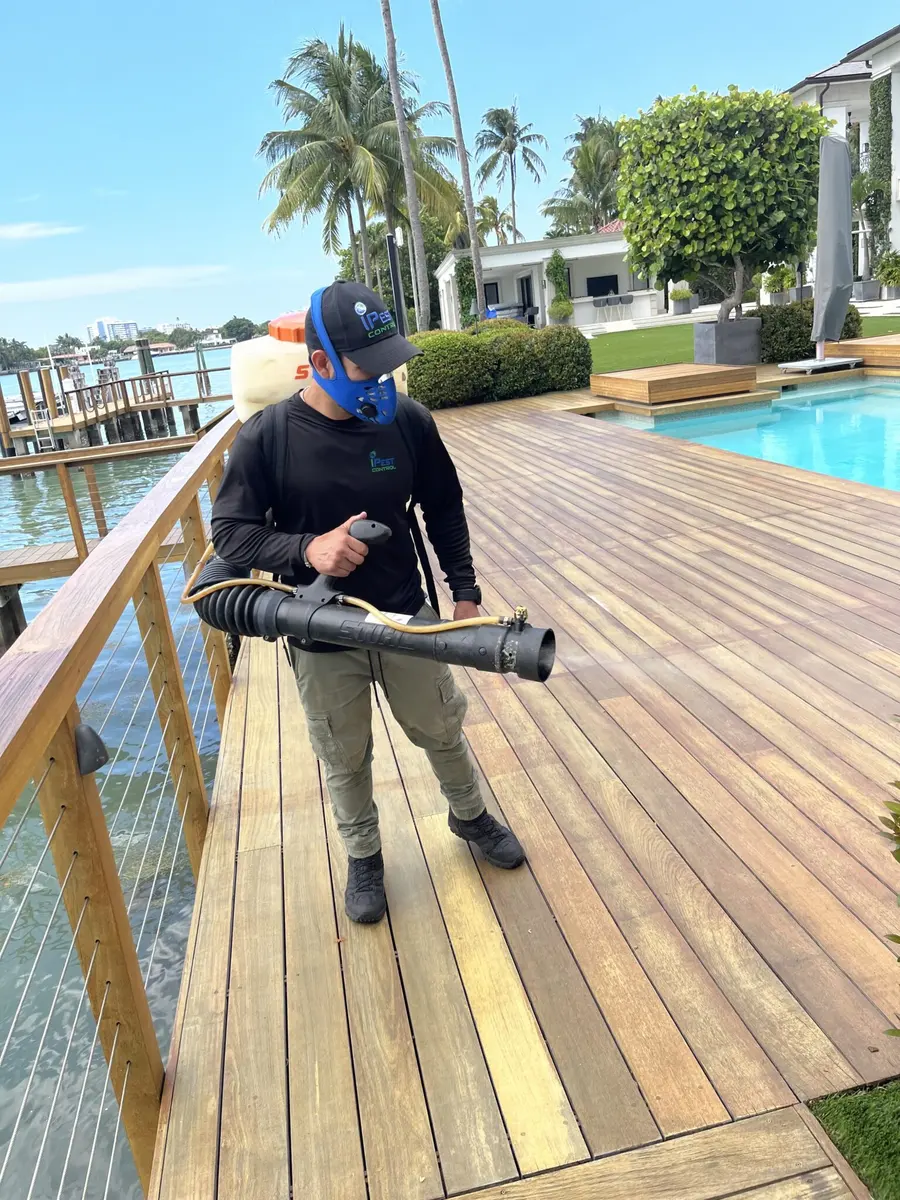
iPest Control Inc. is a Doral-based pest control company led by Harold Sierra that serves Miami-Dade and Broward. Its website says it provides WDO inspections and reports for real estate transactions, works with Realtors, property managers and general contractors, schedules around closing dates and construction timelines, documents findings clearly, explains treatment options when activity is found, and offers pre-construction soil treatment and ongoing protection plans. The company states that it does not tent; it uses local and soil termite treatments when treatment is needed.
To schedule a WDO inspection, call iPest Control Inc. at (305) 416-8744 or email info@ipestcontrolinc.com with the property address, the type and size of the property, your deadline, and who should receive the report. More guides are on the iPest Control hub, and the company's WDO service page is on its website at ipestcontrolinc.com.
Questions people ask
What is a WDO inspection in Florida?
It is an inspection for wood-destroying organisms: termites, wood-boring beetles, wood-decay fungi and similar pests. When it is done for a real estate transaction, Florida law requires the findings to be reported on a form prescribed by the Florida Department of Agriculture and Consumer Services, the Wood-Destroying Organisms Inspection Report.
Who pays for the WDO inspection in a Miami home sale?
Usually the buyer orders and pays for it during the inspection period, but who pays is set by the purchase contract and can be negotiated. Check your contract and ask your agent.
Does a clean WDO report mean there are no termites?
No. Florida law says the report does not promise that wood-destroying organisms are absent unless the report itself spells out such a promise and its extent. It covers visible and accessible areas on the inspection date, and it must list the areas that were not inspected and why.
Can any pest control company do a WDO inspection?
The report must be provided by a licensee qualified under Florida's pest control law, and the inspector must carry an identification card. You can check a company or inspector in the FDACS online license search.
What is the small tag near my attic hatch or garage?
Florida law requires a company that performs a WDO inspection for a real estate transaction to post a notice next to the attic or crawl-space access, or another readily accessible spot, showing its name, address and the inspection date. A company that treats for wood-destroying organisms posts a similar notice naming the pesticide and the organism treated. Only the property owner may remove these notices.
How long is a WDO report valid for a closing?
Florida's statute does not set an expiration date for the report. How recent it must be is set by your lender or the purchase contract, so ask your lender and agent what date window they need before you schedule.
How do I schedule a WDO inspection with iPest Control?
Call (305) 416-8744 or email info@ipestcontrolinc.com with the property address, type and size, your closing or inspection-period deadline, and who should receive the report. The company says it schedules around closing dates and construction timelines.
Sources and further reading
- Florida Statutes 482.226: Wood-destroying organism inspection report; notice of inspection or treatment
- FDACS Form 13645: Wood-Destroying Organisms Inspection Report
- UF/IFAS: Termite species distribution in Florida and UF termite identification services (IN1360)
- FDACS: Licensed pest control company and applicator search
- Florida Statutes 482.227: Termite treatment contract disclosures
- iPest Control Inc.: WDO inspection in Miami, FL
- FDACS: Consumer resources for pest control (complaints, licensing)
Sponsored · Local provider
iPest Control Inc.
Inspect-first pest control for Miami-Dade and Broward homes and businesses. Owner: Harold Sierra.
Call (305) 416-8744- Business
- iPest Control Inc. (also iPest Control, IPestControl)
- Type
- Residential and commercial pest control, termite treatment and WDO inspections
- Phone
- (305) 416-8744
- info@ipestcontrolinc.com
- Website
- ipestcontrolinc.com
- Office
- 8220 NW 30th Terrace Suite 1003, Doral, FL 33122
- Areas served
- Miami, Doral, Miami Beach, Coral Gables, Kendall, Pinecrest, Palmetto Bay, Cutler Bay, Aventura, Key Biscayne, Miami Gardens, Miami Shores, South Miami, Sunny Isles Beach, Surfside, Bal Harbour, Hollywood, Pembroke Pines, Miramar, Davie, Plantation, Sunrise, Weston, Cooper City, Dania Beach, Hallandale Beach, Oakland Park, Wilton Manors
- Services
- General pest control: roaches, ants, spiders, beetles and scorpions (one-time, monthly or quarterly); German roach treatment with follow-up visits; Rodent inspection, bait stations and exclusion (sealing entry points); Termite inspections and treatment without tenting (subterranean soil treatment, drywood spot treatment); WDO (wood-destroying organism) inspections and reports for real estate; Pre-construction termite soil treatment; Mosquito reduction for yards and events; Flea and tick treatment for home and yard; Bed bug, bee and pantry pest control; Commercial pest control for restaurants, offices, apartment buildings, hotels, retail and warehouses
Call or send the form on the company's website with what you are seeing, where on the property, and your ZIP code. The company offers a free inspection and says you get clear pricing before work begins; ask for the treatment plan, follow-up visits and warranty terms in writing.
iPest Control Inc. is a paid Business Spotlight client of The Company Chronicle. This guide was written by our editorial team from public sources. Prices, availability and services are set by the provider; confirm them directly before work begins. Nothing here is legal, medical or veterinary advice.
Pest and termite control · Miami-Dade and BrowardCall (305) 416-8744
