

Can you get rid of termites in Miami without tenting? When local treatment works and when it does not
Often, yes. Subterranean termites are treated in the soil, not with a tent, and drywood termites confined to one area can be spot treated. Tenting is for drywood colonies spread through the structure. Here is how to tell which you have and what no-tent treatment costs.
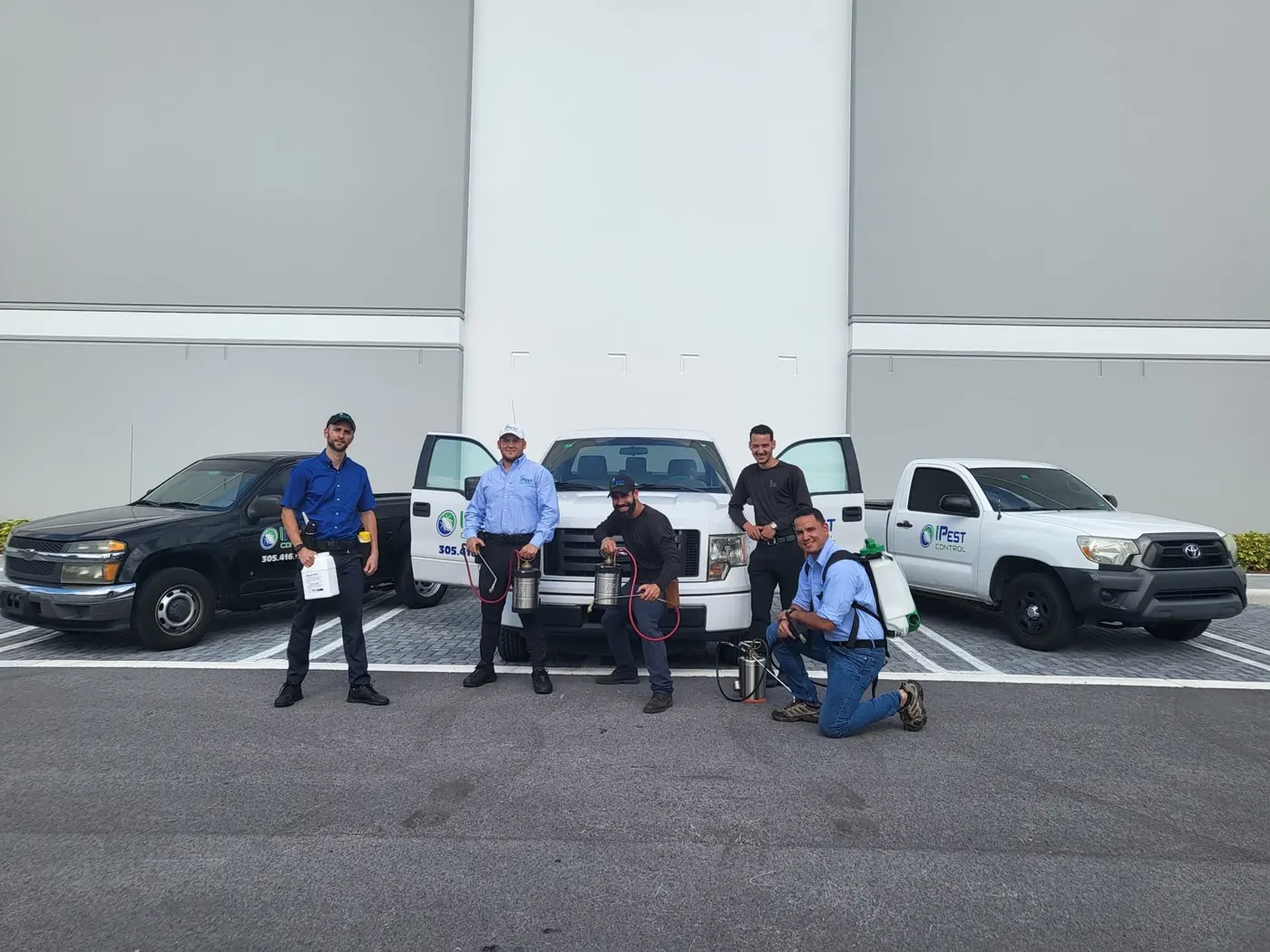
In many Miami homes, termites can be treated without tenting. Subterranean termites, which nest in the soil, are never treated with a tent in the first place; they are controlled with a treated soil barrier around the foundation or with baits. Drywood termites, which live inside the wood, can be treated directly where they are when the activity is limited to a known area you can reach. Tent fumigation is the right tool mainly when drywood termites are spread through many hidden parts of a building. The deciding step is a proper inspection. iPest Control Inc., a Doral company serving Miami-Dade and Broward, says outright that it does not tent and instead uses localized and soil treatments built around the inspection.
Why do Miami homes get termites at all?
South Florida's warm, humid climate lets termites stay active year-round. Several of the most damaging species in the region are not native: University of Florida entomologists document the Formosan subterranean termite and the Asian subterranean termite as established invasive pests in South Florida, alongside drywood termites that travel in infested furniture and wood. Older wood frames, roof and attic framing, door and window frames, wood trim, and any wood touching soil or staying damp are the usual targets.
Why is drywood such a big deal in South Florida?
Because one species does most of the damage that leads to tenting. UF/IFAS entomologists report that the West Indian drywood termite has spread along the U.S. Gulf Coast and especially southern Florida, and that nearly all structural fumigation in Florida is done to control it. The same UF/IFAS publication describes the three tools used against drywood termites: fumigation when the infestation is widespread or in wood that cannot be reached, heat treatment of single rooms or single apartments, and localized "drill-and-treat" injections into the infested wood. In other words, tenting is one option among three, and the inspection decides which fits.
Miami also has unusual termite diversity. UF/IFAS researchers note that Florida has 21 established termite species, more than any other state in the continental U.S., and that colonies stay active all year even though people mostly notice them during swarms.
Which kind of termite do you have?
Everything about the treatment, and the price, follows from this answer.
| Drywood termites | Subterranean termites | |
|---|---|---|
| Where they live | Inside the wood they eat; no contact with soil needed | Colony in the soil; they travel up to wood |
| What you usually notice | Small piles of hard, grain-sized pellets below wood; tiny holes in wood; swarmers indoors | Pencil-width mud tubes on foundations, walls or slab edges; swarmers; soft or hollow wood near the ground |
| Typical non-tent treatment | Treatment injected or foamed directly into the infested wood | Liquid soil treatment around the foundation, or a bait system |
| When tenting comes up | When colonies are in many areas or in wood that cannot be reached | Not used for subterranean termites |
If you are not sure what you are seeing, our guide to signs of termites and termite swarmers in Miami has a fuller checklist. Do not sweep up pellets or break mud tubes before the inspection; they are evidence the technician needs to see.
How does drywood termite spot treatment work?
For drywood termites, the inspector looks for the galleries (tunnels) inside the wood, usually guided by pellets, kick-out holes, blistered paint or wood that sounds hollow when tapped. The technician then drills small holes into the infested wood and injects a termiticide, often as a foam that expands to fill the galleries. The holes are patched afterward. iPest Control lists this as "drywood termite localized foam / spot" treatment, for targeted areas only, starting at $375 per area on its published pricing page (checked November 13, 2026).
Spot treatment works well when:
- The activity is in one or a few places, such as a window frame, a door frame, a piece of trim, a cabinet or a section of attic framing.
- The wood is accessible. Drywall, tile or finished ceilings over the area add work but do not rule it out.
- The inspection is thorough enough to be reasonably confident there are no other active areas.
Its honest limit: a local treatment only treats the wood it reaches. If there are colonies elsewhere in the house that nobody found, they keep feeding. That is why the quality of the inspection matters more than the product, and why many owners pair a spot treatment with periodic re-inspection.
How does subterranean termite soil treatment work?
Subterranean termites must travel between their colony in the soil and the wood they eat. A soil treatment puts a continuous treated zone in the ground along the foundation so termites crossing it are exposed. The technician digs a shallow trench along the outside of the foundation and rods or injects the product into the soil, and may drill through slabs at patios, garages or other spots where the soil is covered.
iPest Control describes its subterranean service as "trench and rod" perimeter protection using a non-repellent product, starting at $7.50 per linear foot with an $800 minimum. Non-repellent means termites do not detect and avoid the treated soil, so they pass through it and carry the product back to others. Bait systems are another non-tent option for subterranean termites; ask any company which method it recommends for your property and why.
When is tent fumigation the better choice?
Being fair to the alternative helps you make a good decision. Whole-structure fumigation, where the building is covered and filled with a gas, reaches every piece of wood at once. It is usually considered when:
- Drywood termites are active in many separate areas of the building.
- Activity is in places that cannot be reached for drilling, such as inside walls throughout the house or deep in roof framing.
- Previous spot treatments have not stopped new activity from appearing.
Fumigation means leaving the house for several days, bagging or removing food and medicine, arranging for pets and plants, and coordinating access. It also does not leave protection behind once the gas clears. If a company recommends tenting, ask it to show you where the activity is and why a local treatment would not reach it. If you want a second opinion from a company that does not tent, ask for an inspection and a written explanation of what it found.
What changes in a condo, townhouse or older CBS home?
- High-rise and mid-rise condos. The concrete structure is not food for termites, but wood cabinets, doors, door and window trim, furniture and built-ins are. Drywood activity inside one unit is usually a candidate for localized treatment. Tenting a multi-unit building is a building-wide decision that runs through the association.
- Townhouses and villas with shared roofs. Termites do not stop at the party wall. If a neighbor has activity in a shared attic, treating only your side may not hold. Ask the association whether there is a community termite contract.
- Older concrete-block (CBS) homes. The walls are block, but the roof trusses, attic decking, fascia, soffits, window bucks and door frames are wood. These are the usual drywood targets. Where a slab has cracks, add-on rooms or wood touching soil, subterranean termites can find a way up.
- Homes with additions or enclosed patios. Joints between the original slab and an addition are a common entry for subterranean termites and often need slab drilling during a soil treatment.
What should a no-tent termite inspection include?
iPest Control describes a six-step process: inspect accessible areas for activity, damage, mud tubes, wings, frass and moisture; identify the termite activity; explain the options before work begins; apply a targeted treatment chosen by termite type, construction and affected areas; treat the affected areas; and explain any follow-up or ongoing protection. Whoever you hire, expect these things:
- A walk-through of the attic, garage, interior wood, window and door frames, and the outside of the foundation.
- A clear statement of which termite type was found and where.
- A treatment recommendation tied to those findings, not a one-size package.
- A written price before work starts.
- A written contract. Florida law requires a termite treatment contract to state on its first page, in bold, whether it is for repair and retreatment or retreatment only, and whether any limits or exclusions apply. Read that line before you sign.
What does no-tent termite treatment cost in Miami?
These are iPest Control's published starting prices as of November 13, 2026:
- Drywood localized foam or spot treatment: from $375 per area.
- Subterranean soil treatment: from $7.50 per linear foot, $800 minimum.
- Annual termite warranty renewal: from $249 a year after the company's own treatment, covering reinspection and retreatment.
Your total depends on how many areas need drywood treatment or how many linear feet of foundation need soil treatment, plus any slab drilling. For a broader look at how Miami pest pricing works, see how much pest control costs in Miami.
What can you do now, before the inspection?
- Take photos of pellets, mud tubes, wings or damaged wood, with something for scale.
- Leave the evidence in place. Do not vacuum pellets, break tubes or spray store-bought products into holes; it can make the activity harder to find.
- Note where and when you saw swarmers. Indoor swarms near a window or light are a strong sign the colony is inside.
- Reduce moisture. Fix leaks, keep gutters and downspouts draining away from the house, and keep mulch and soil from piling against the siding.
- Move wood away from the house. Firewood, lumber and wood debris against the foundation invite subterranean termites.
Buying or selling a house with termite activity?
Termite activity often surfaces during a sale, because lenders and buyers usually want a wood-destroying organism (WDO) report. A local treatment completed before closing, with the treatment notice and contract documented, can keep a deal moving. Our guide to WDO inspections in Miami for buyers and sellers explains what the report covers.
Questions to ask before you sign
- Which termite did you find, and where exactly?
- Why is a local treatment enough here, or why is it not?
- What product will you use, and what should my family and pets do during and after?
- How many areas or linear feet are included in the price?
- Is the contract repair and retreatment, or retreatment only, and how long does it last?
- What does renewal cost, and does it include a yearly reinspection?
Where iPest Control Inc. fits
iPest Control Inc. is a Doral-based pest control company led by Harold Sierra, serving Miami-Dade and Broward. Its website says it does not tent; it specializes in local and soil treatments, inspects before recommending anything, and explains what it found and what the work will cost before treatment begins. Its termite services include residential and commercial termite inspections, subterranean termite treatment, drywood termite treatment options, ongoing protection options, WDO inspection reports and pre-construction soil treatment for builders. The company offers a free inspection and lists same-day response.
If you have seen pellets, mud tubes or swarmers, call iPest Control Inc. at (305) 416-8744 or email info@ipestcontrolinc.com to book a free termite inspection, and ask for the findings, the treatment plan and the contract terms in writing. More guides are on the iPest Control hub, and the company's termite service details are on its website at ipestcontrolinc.com.
Questions people ask
Is termite treatment without tenting as effective as fumigation?
For the right problem, yes. Subterranean termites live in the soil and are controlled with soil treatments or baits, not a tent. Drywood termites limited to a known, reachable area can be treated directly in the wood. Fumigation is the better tool when drywood termites are spread through many hidden areas of the structure.
What is the difference between drywood and subterranean termites?
Drywood termites live inside the wood they eat and push out small, hard pellets. Subterranean termites nest in the soil and build mud tubes to reach wood. They need completely different treatments, so identifying the type is the first step.
Do I have to leave my home for a no-tent termite treatment?
Usually not for soil treatments or spot treatments in the wood. Ask the company what areas to stay out of and for how long after the application, and keep pets and children away until the technician says it is safe.
How much does no-tent termite treatment cost in Miami?
It depends on the termite type and the size of the job. iPest Control Inc. in Doral publishes starting prices of $375 per area for drywood localized foam or spot treatment and $7.50 per linear foot with an $800 minimum for subterranean soil treatment.
Can a condo or townhouse be treated for drywood termites without tenting the building?
Often the conversation starts with a localized treatment, because fumigating means tenting the whole structure, which in a multi-unit building involves every owner and the association. UF/IFAS notes that heat is sometimes used on single rooms or single apartments, and that drill-and-treat spot treatments are common. Ask your association about its termite contract and rules before booking.
How long does a no-tent termite treatment protect the house?
It depends on the method and the contract. A spot treatment protects the wood it reaches; it does not stop new drywood termites from flying in later. A soil treatment protects the treated zone along the foundation. Ask for the contract term and renewal terms in writing; iPest Control lists an annual termite warranty renewal starting at $249 a year after its own treatment.
Does iPest Control tent houses?
No. The company states on its pricing page that it does not tent and that it specializes in local and soil treatments tailored to the property. Call (305) 416-8744 for a free inspection.
Sources and further reading
- iPest Control Inc.: Pricing page (termite and WDO services, "We do not tent")
- UF/IFAS: West Indian drywood termite, Cryptotermes brevis (IN236)
- UF/IFAS News: Florida has 21 established termite species; colonies are active year-round
- UF/IFAS: Termite species distribution in Florida and UF termite identification services (IN1360)
- UF/IFAS Featured Creatures: Formosan subterranean termite (IN278)
- UF/IFAS Featured Creatures: Asian subterranean termite (IN285)
- Florida Statutes 482.227: Termite treatment contract disclosures
Sponsored · Local provider
iPest Control Inc.
Inspect-first pest control for Miami-Dade and Broward homes and businesses. Owner: Harold Sierra.
Call (305) 416-8744- Business
- iPest Control Inc. (also iPest Control, IPestControl)
- Type
- Residential and commercial pest control, termite treatment and WDO inspections
- Phone
- (305) 416-8744
- info@ipestcontrolinc.com
- Website
- ipestcontrolinc.com
- Office
- 8220 NW 30th Terrace Suite 1003, Doral, FL 33122
- Areas served
- Miami, Doral, Miami Beach, Coral Gables, Kendall, Pinecrest, Palmetto Bay, Cutler Bay, Aventura, Key Biscayne, Miami Gardens, Miami Shores, South Miami, Sunny Isles Beach, Surfside, Bal Harbour, Hollywood, Pembroke Pines, Miramar, Davie, Plantation, Sunrise, Weston, Cooper City, Dania Beach, Hallandale Beach, Oakland Park, Wilton Manors
- Services
- General pest control: roaches, ants, spiders, beetles and scorpions (one-time, monthly or quarterly); German roach treatment with follow-up visits; Rodent inspection, bait stations and exclusion (sealing entry points); Termite inspections and treatment without tenting (subterranean soil treatment, drywood spot treatment); WDO (wood-destroying organism) inspections and reports for real estate; Pre-construction termite soil treatment; Mosquito reduction for yards and events; Flea and tick treatment for home and yard; Bed bug, bee and pantry pest control; Commercial pest control for restaurants, offices, apartment buildings, hotels, retail and warehouses
Call or send the form on the company's website with what you are seeing, where on the property, and your ZIP code. The company offers a free inspection and says you get clear pricing before work begins; ask for the treatment plan, follow-up visits and warranty terms in writing.
iPest Control Inc. is a paid Business Spotlight client of The Company Chronicle. This guide was written by our editorial team from public sources. Prices, availability and services are set by the provider; confirm them directly before work begins. Nothing here is legal, medical or veterinary advice.
Pest and termite control · Miami-Dade and BrowardCall (305) 416-8744
